
World Bipolar Day: Meaning, types, theme and significance of this day
World Bipolar Day: Meaning, types, theme and significance of this day
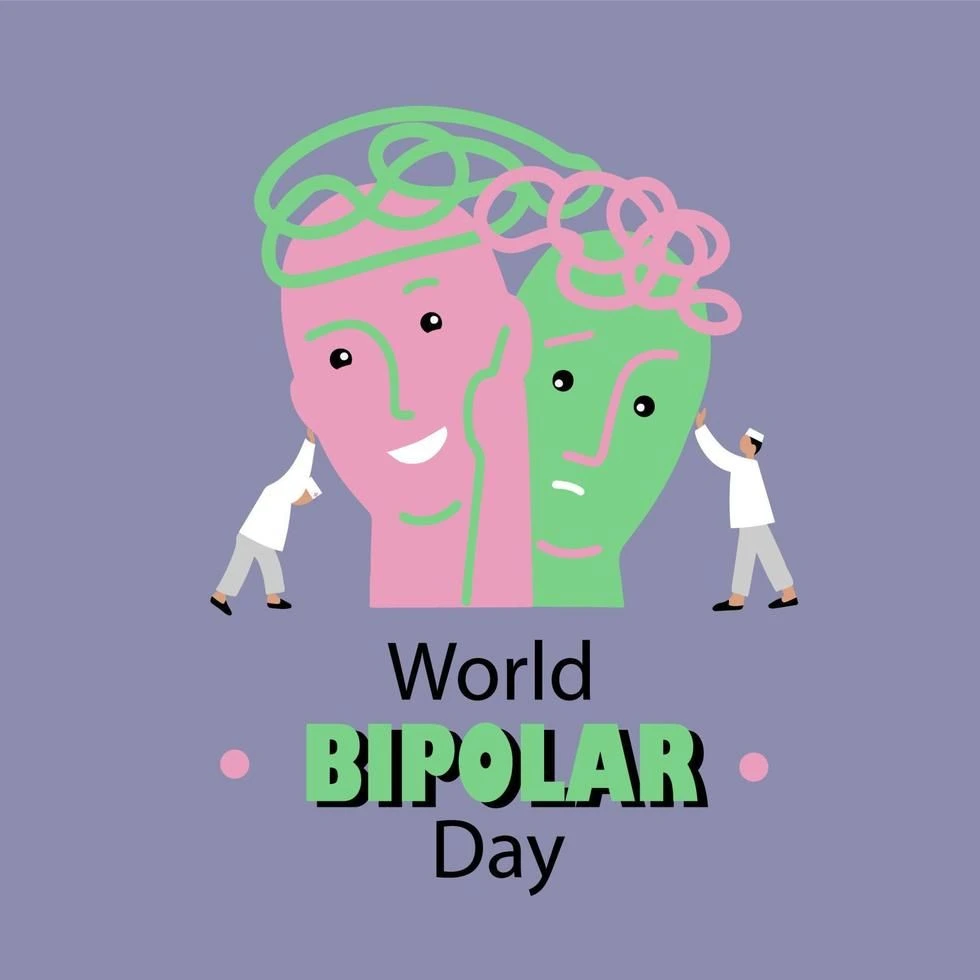
World Bipolar Day is observed on March 30 every year, the birthday of artist Vincent van Gogh, who lived with bipolar disorder. This global intiative was started in the year 2014 to raise awareness, educate people and work to break the social stigma associated with this condition.
What is bipolar disorder?
Bipolar disorder is a chronic mental health condition that involves shifts in mood, energy and activity levels. This state can also led to depression in some cases. The person dealing with this can feel the intense wave of sadness, fatigue and feelings of loneliness. It can also make a person irritable, reduced need for sleep, fast talking and risky behavior.
Types of Bipolar Disorder:
Bipolar I: It is defined by manic episodes that last upto 7 days and requires care.
Bipolar II: A pattern of depressive episodes and hypomanic (less severe) episodes, without full mania.
Cyclothymic Disorder: It is a milder form but chronic. It involves depressing symptoms that do not meet the criteria for full episodes.
What is the theme of Bipolar Day this year?
This year the theme for the Bipolar Day is #Bipolar Strong which shows the unity, resilience and strength of individuals dealing with bipolar disorder.
What are the symptoms of Bipolar Disorder?
Bipolar disorder symptoms can last for days, weeks or months. Some people may feel the productivity of mania, and emotional crash into depression. Treatment includews medication (such as mood stabilizers) and therapy that helps to manage severe mood swings.