
Lebanon Emerges as the Deciding Factor in Iran-US Negotiations
Lebanon Emerges as the Deciding Factor in Iran-US Negotiations
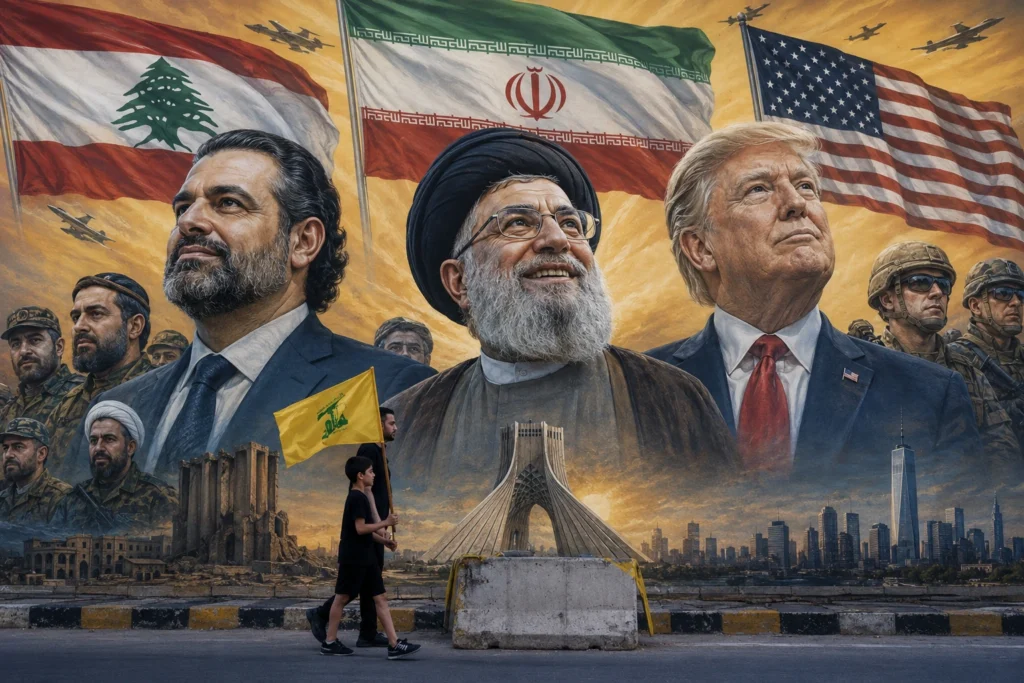
As diplomatic efforts between the United States and Iran continue, Lebanon has emerged as the key factor that would shape the future of the negotiations. Rising regional tensions, military activity, and the influence of Hezbollah have turned Lebanon into a key geopolitical battleground. As both nations attempt to secure a fragile agreement, developments in Lebanon may determine whether diplomacy succeeds or collapses.
Lebanon at the center of diplomatic talks
Lebanon has become one of the most critical flashpoints in the ongoing diplomatic efforts between the United States and Iran, with analysts warning that the country could either strengthen or derail the fragile agreement between the two long-time rivals. Recent negotiations have shown it as the center of discussions, highlighting how regional conflicts can continue to influence global diplomacy.
Rising Tensions Threaten Progress
The Iran-US deal, aimed at reducing military tensions and restoring diplomatic engagement, faces serious challenges due to continued violence in Lebanon. Tehran has repeatedly said that any lasting aggrement with Washington must include an end to Israeli military operations.
Hezabollah’s Strategic Influence
Lebanon’s strategic importance shows from the presence of Hezbollah, the Iran-backed armed group that has long been a major force in the region. It’s military capability and political influence has made Lebanon a critical arena in the power struggle between Iran, Israel, and the United States.
Israeli Strikes Add Pressure
Israeli airstrikes have created pressure and complicated negotiations. Reports show that thousands of people have been affected by these air strikes.