
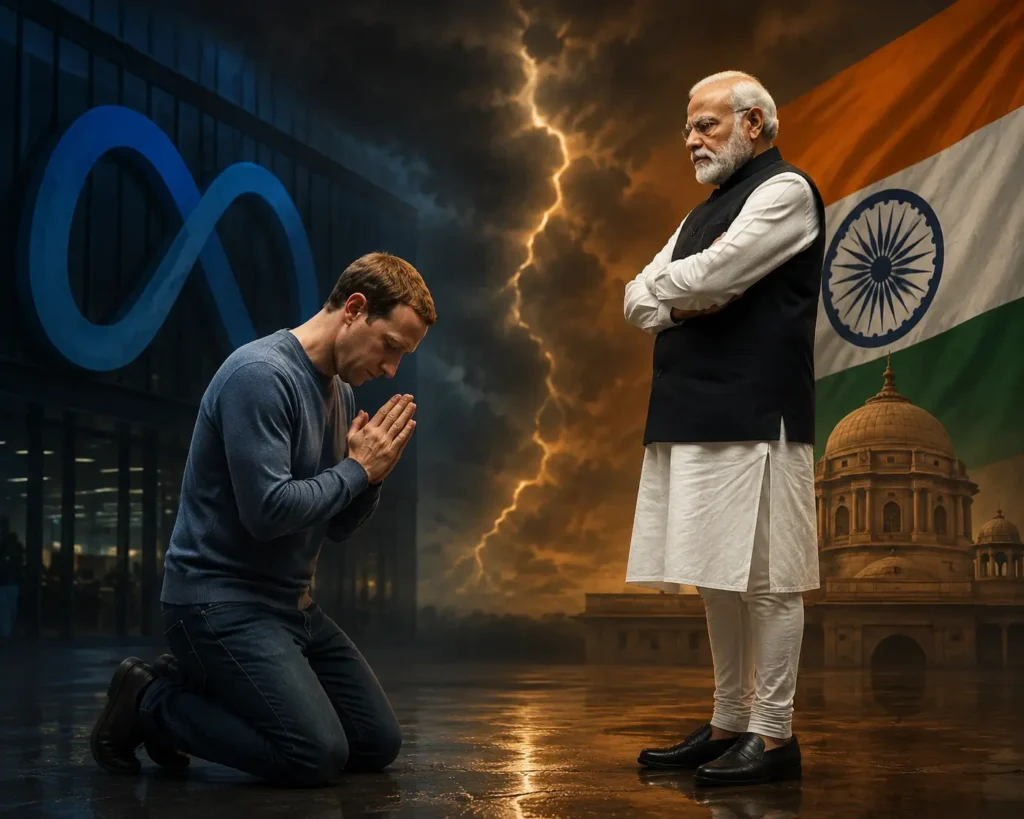
This situation should not surprise anyone who has followed the ongoing disputes between social media giants and the Indian government.So what happened exactly?
Meta Platforms apologized to the Indian government after its social media outlets had taken down Prime Minister Modi’s post last month. Chief Global Affairs Officer Joel Kaplan reportedly reached out to his counterpart in the Indian Ministry of Electronics and Information Technology to explain the situation. During their Wednesday conversation, Kaplan publicly took responsibility for the error in a formal statement.
It all started last July when Facebook temporarily took down one of PM Modi’s posts, which caused the Indian government to demand an explanation. Meta responded by claiming that the takedown was unintentional and only occurred due to technical errors.
This was probably not enough of a reason for the Indian government to get involved. The controversy also involved the chief executive of Meta’s India operations, Arun Srinivas. Hyderabad police have reportedly launched an investigation into whether Facebook allegedly defamed the Prime Minister.
Police have summoned Arun Srinivas over allegations that Facebook videos contained derogatory remarks about the country’s leader. Combined with the removal of Modi’s Facebook post, the incident may explain why the Indian government rejected Meta’s “technical error” explanation.
There is more to this story, however. The tension comes at an especially unfortunate time for the Indian government. There have been record-breaking youth protests in the country, following the leak of exam questions. This issue alone was severe enough to cause the resignation of India’s education minister. During these sensitive times, Modi became a target of mockery, criticism, and online vitriol. This is probably the main reason why Facebook’s post about him got so much attention and was taken down shortly after.
Zuckerberg Is Also Apologizing
Facebook was not the only social media giant to apologize recently. According to Indian newspapers, Mark Zuckerberg is set to apologize to the Indian government for Modi’s post being taken down. However, the main issue apparently involved Facebook’s inability to stop child sexual exploitation content, deepfakes, and other problematic material that violated users’ rights.
This development followed months of pressure on Meta from Indian authorities. It began back in July when the government demanded that Facebook take down Instagram content that promoted child sexual abuse material. Facebook responded by stating that it takes any violations of its users’ rights seriously. The company reportedly invested significantly in improving its ability to detect and remove such material. Meta has so far declined to comment on the recent meeting between Zuckerberg and Indian officials.
Summary
While there is much to dislike about Facebook’s position on Modi’s post being taken down, it probably doesn’t represent a bigger issue. The whole situation highlights the challenge of dealing with big tech companies on a national level, especially in such a high-profile case.
India is not a country where Facebook can act with impunity. The government has proven that it is willing to push for answers and take action when necessary. In this particular case, an official apology from Kaplan may not be enough. The fact that Zuckerberg will reportedly have to apologize himself speaks volumes about the severity of the situation.
It should become apparent soon enough whether this was just another PR stunt by Meta. Each time they make a seemingly questionable decision, a heated debate erupts all over social media about whether such a tech giant can truly serve its users’ best interests.