
10 Financial Planning Mistakes to Avoid in 2026
Introduction:
Financial planning plays a vital role more than ever in 2026. Rising expenses, costs and economic uncertainty have made it essential to manage money wisely. However, many people make small financial mistakes without realising their long-term impact. Knowing the most important financial planning mistakes to avoid can help you manage your money in a good way and create a more secure financial future.
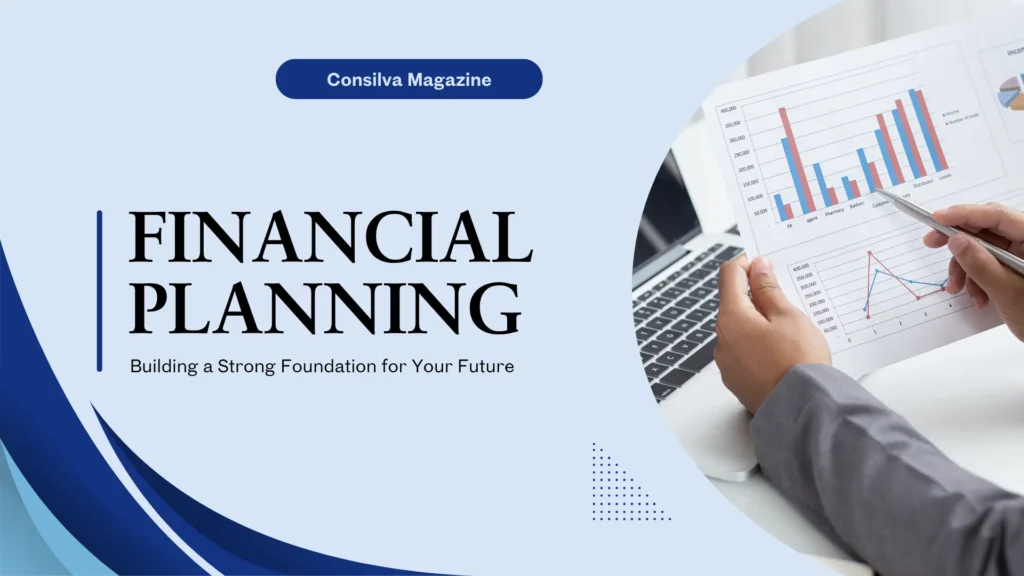
Why does financial planning matter?
A well-structured & maintain financial plan helps individuals prepare for both expected and unexpected expenses. It also supports wealth creation through disciplined saving, investing, and responsible debt management.
Financial planning is important because it helps individuals and businesses manage money wisely, prepare for the future, and avoid unnecessary financial stress.
It is not just about saving money. It is about making informed decisions that support long-term stability and growth.
Helps achieve Financial Goals
Whether it is about buying a house, starting a business, funding education, or planning retirement, financial planning creates a clear roadmap to achieve these goals.
Creates Financial Security:
Unexpected situations such as job loss, medical emergencies, or economic downturns can create financial pressure. Proper planning is necessary to build emergency funds and financial stability to go with uncertainties that happen in life.
Improves Money Management:
Financial planning helps track income, expenses, investments, and savings. It reduces unnecessary spending and encourages smarter financial decisions.
Top financial planning mistakes to avoid
Financial planning is important for building a secure and stress-free future. Many people make small financial mistakes that later become major problems. Whether you are earning a little or a lot, avoid spending unnecessary money on things. Here are some of the top financial planning mistakes you should avoid.
1. Budgeting Mistakes
One of the biggest financial mistakes people make is not following a proper budget. Many people spend money without tracking where it is going. Spending on unnecessary things, ignoring monthly expenses, or not planning savings leads to financial stress.
Making a good budget helps you to understand your income, expenses and savings. Try to divide your money wisely and make sure you are spending within your limits. Small spending habits, when ignored, can become big financial problems over time.
2. Money Management Mistakes
Poor money management can stop financial growth. Some people spend everything they earn and save very little for the future. Others depend too much on credit cards or loans, which creates unnecessary financial pressure.
Good money management means spending wisely, saving regularly, and avoiding impulsive purchases. It is important to track expenses and develop healthy financial habits that support long-term financial stability.
3. Not making an Emergency Fund
Life is very unpredictable; you never know what’s going to happen the next minute. Medical emergencies, job loss, or unexpected expenses can happen at any time, so it is important to be financially prepared. Having an emergency fund can help you handle these situations without relying on loans or credit cards.
Many people ignore building an emergency fund, which is a major financial mistake. Experts often recommend saving at least three to six months’ worth of living expenses.
4. Poor Retirement Planning
Many people believe retirement planning can wait, especially when they are young. However, delaying retirement savings can make it harder to maintain financial security during retirement.
Starting early gives your money more time to grow. Even small monthly investments can make a big difference over time. Planning for retirement early helps ensure financial independence and a comfortable future.
5. Debt Mistakes
Taking unnecessary debts or failing to manage loans properly can affect financial health. High-interest debt, especially credit card debt, can quickly become difficult to handle.
Many people make the mistake of borrowing money from others or taking loans to fulfill their needs. You need to know where to invest money wisely, pay bills on time and avoid unnecessary loans. Managing debt properly helps maintain financial stability and reduces stress.
6. Overspending
There are some people who don’t understand the difference between needs and wants. When you keep on overspending the money on unnecessary things, it leads to debt. So you need to know where and how to invest your money to get better results. You need to make a budget before spending your money.
7. No financial goals
Without clear financial goals, it becomes more difficult to make effective decisions about saving and investing. Whether your goal is to buy a home, fund higher education, start a business, or retire comfortably, clear financial goals provide direction and help you stay focused on your future.
8. Expensive lifestyle habits
You should decide your expenses according to the money you are earning. If you are earning less you should spend accordingly. Because you should know the difference between necessary spending of money and unnecessary spending. You should not go for expensive lifestyle habits that would make you go into debt.
9. Delaying Investments
You should never delay investments. Delaying investments is not good for your financial health. You should know if you start late, you will get less. But in the whole scenario, you need to keep this thing in mind that if you are earning less, you invest less. That would help you to understand your finances.
10. Too much credit card debt
Credit cards can be useful financial tools when used responsibly. However, relying too much on credit cards can lead to high-interest debt and financial stress. Many people spend beyond their means and struggle to repay the balance on time. Using credit cards wisely and paying bills on time can help you avoid unnecessary debt and maintain good financial health.
Tips to avoid financial mistakes:
Making smart financial decisions is important for long-term growth and peace of mind. While mistakes can happen, following a few practical tips would help you to make better financial decisions. Here are some useful tips to avoid financial mistakes:
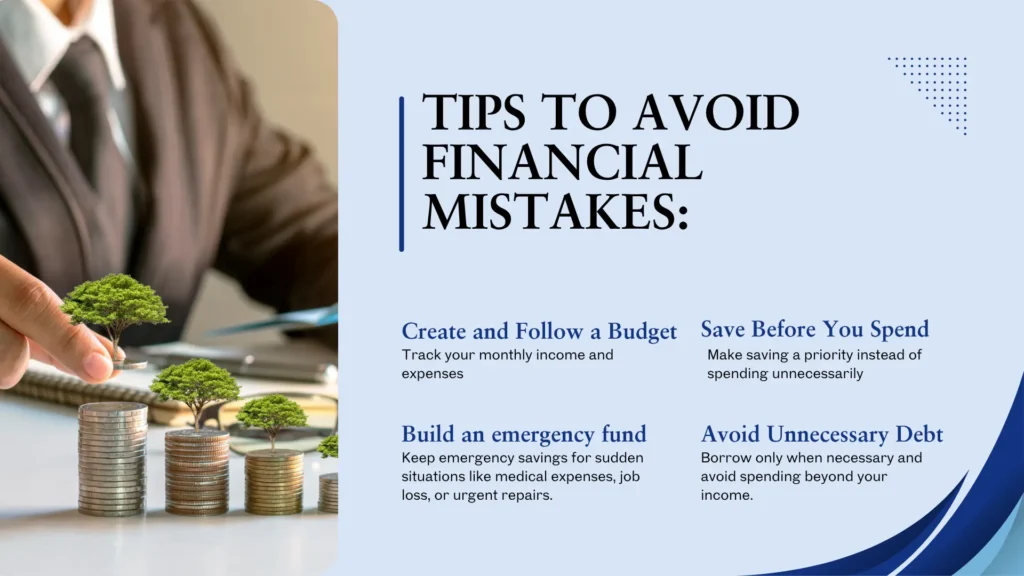
1. Create and Follow a Budget
Track your monthly income and expenses to understand where your money is going. A proper budget helps control unnecessary spending and improve savings.
2. Save Before You Spend
Make saving a priority instead of spending unnecessarily. Set aside a fixed amount every month for future goals and unexpected situations.
3. Build an emergency fund
Keep emergency savings for sudden situations like medical expenses, job loss, or urgent repairs.
4. Avoid Unnecessary Debt
Borrow only when necessary and avoid spending beyond your income. Try to clear high-interest debt quickly to avoid long-term financial problems.
5. Learn basic financial knowledge
Understanding budgeting, saving, investing, and debt management can help you make smarter financial decisions and avoid costly mistakes.
Conclusion
Financial planning is not only about earning more money, but also about using your money wisely. By understanding the most common financial planning mistakes to avoid, such as overspending, poor budgeting, delaying investments, and ignoring emergency savings, you can build a stronger financial future. Small financial decisions made today can help you achieve your goals, reduce stress, and create long-term financial security for yourself and your family.
Frequently Asked Questions (FAQs):
Ques1. Why is financial planning important in 2026?
Ans1. Financial planning is important in 2026 due to economic uncertainty, changing market conditions and technological advancements. It helps to manage money effectively and prepare for future challenges.
Ques2. How to avoid budgeting mistakes?
Ans2. You can avoid budgeting mistakes by tracking income and expenses, setting realistic financial goals, reducing unnecessary spending and reviewing your budget regularly to complete your needs.
Ques3. Why is an emergency fund important?
Ans3. An emergency fund is important to handle unexpected situations such as job loss, medical emergencies or economic strain. It helps you to avoid debt and become financially stable.
Ques4. What are the most common financial mistakes in 2026?
Ans4. Some of the most common financial mistakes are not having an emergency fund, overspending, delaying retirement planning and not having a track of your expenses regularly.
Ques5. How often should I review my financial plan?
Ans5. It is recommended to review your financial plan at least every few months or whenever there are major life or business changes.